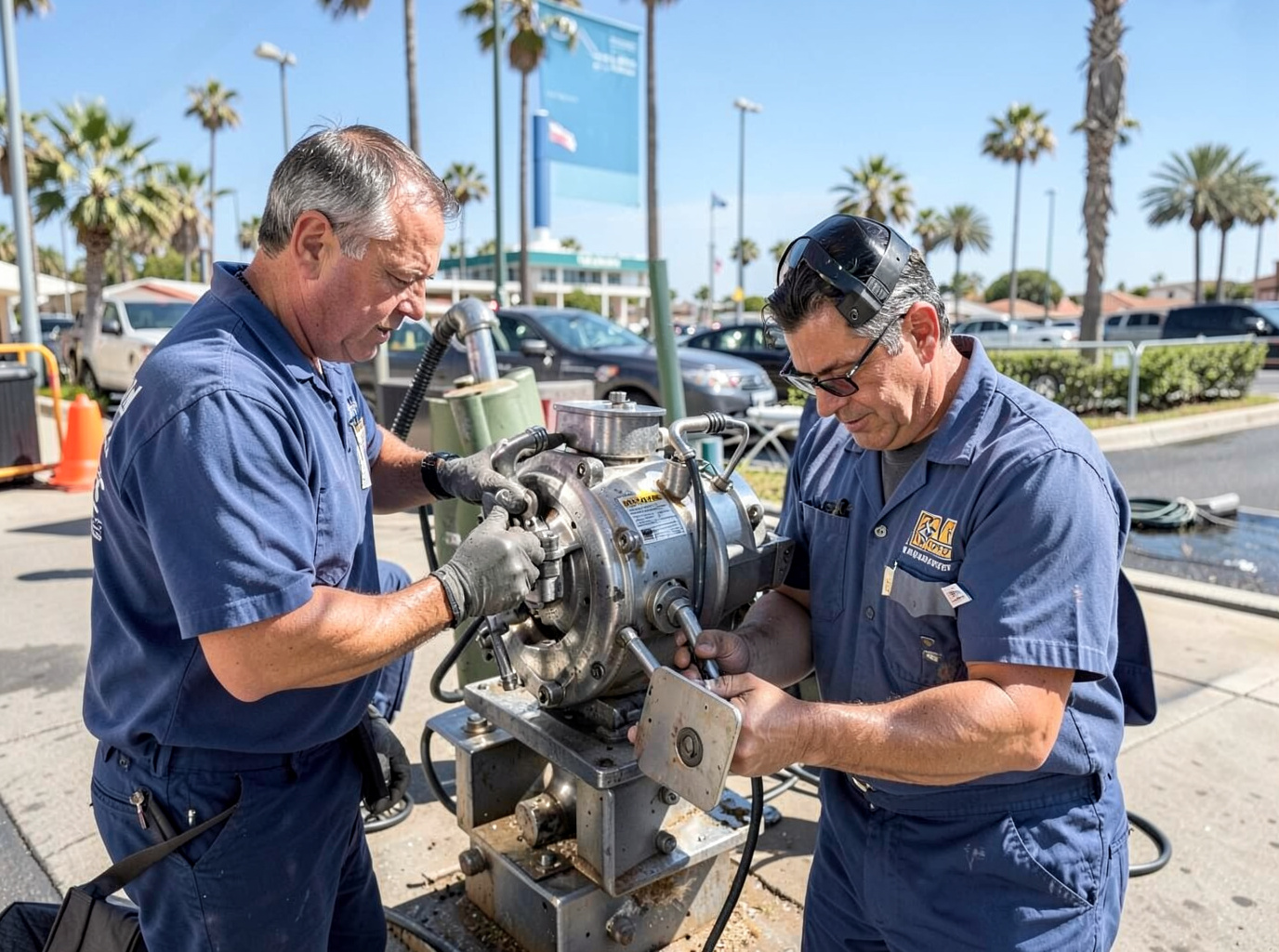
Newport Beach homes built from the 1950s onward in Corona del Mar and along the Balboa Peninsula often contain older top-freezer and side-by-side units whose compressors sit exposed to constant salt-laden air. The mild coastal Mediterranean climate keeps temperatures moderate year-round, yet persistent humidity and ocean spray accelerate corrosion on copper lines and electrical terminals. Technicians must isolate the sealed system, recover refrigerant properly under EPA guidelines, and verify that new compressors match the original BTU rating to avoid short cycling in these older cabinets.
Access in Newport Coast townhomes and Fashion Island-area condos frequently requires moving appliances through narrow hallways or down stairs, adding time before the actual swap. Local soil conditions near the bay mean higher moisture under slab foundations, so floor-level compressors in garages can show rust on mounting brackets that interior units rarely develop. Replacement also includes checking the start relay and overload protector, because salt air degrades these components faster than in inland cities like Irvine or Costa Mesa.
Technicians pressure-test the entire system after brazing and pull a deep vacuum before recharging to prevent moisture contamination common in this humidity. Homeowners near Newport Pier or Balboa Island sometimes request inverter-style upgrades for quieter operation, but the existing wiring in pre-1980 construction must be inspected first. Every job ends with a leak check using nitrogen and a final run cycle to confirm proper superheat and subcooling values under actual kitchen loads.
Technician insight
In Newport Beach, the thing that catches most people out with Compressor Replacement is salt-air corrosion on the copper lines and mounting brackets of units in older Balboa Peninsula and Corona del Mar homes. The constant moisture from the bay accelerates rust on floor-level compressors in garages, so we always pull the unit fully out and inspect the base before quoting. Skipping that step turns a straightforward swap into an extra day of work.
Corona del Mar 1978 Side-by-Side
Homeowner reported the unit running nonstop yet not cooling. Inspection found seized compressor with corroded terminals from ocean air. We recovered refrigerant, replaced the compressor and relay, performed a nitrogen purge braze, pulled vacuum, and recharged. Temperatures stabilized within two hours and the unit now cycles normally.
Compressor Replacement Services We Offer
✓Residential Compressor Replacement
Full sealed-system swap on home refrigerators, including recovery, brazing, and recharge matched to coastal humidity levels.
✓Inverter Compressor Upgrade
Replacement with variable-speed compressors that reduce energy use and noise in Newport Beach kitchens.
✓Top-Freezer Compressor Service
Targeted replacement for top-freezer models common in Balboa Peninsula cottages and Corona del Mar ranch homes.
✓Side-By-Side Compressor Repair
Sealed system work on larger side-by-side units found in Newport Coast properties, including dual evaporator checks.
✓Commercial Reach-In Compressor Replacement
Service for restaurant and retail reach-in coolers in the Fashion Island area that run continuously in mild weather.
How it works
- 1
System Diagnosis
Technician checks compressor amperage, start components, and sealed-system pressures on site.
- 2
Refrigerant Recovery
EPA-compliant recovery of existing refrigerant before any lines are opened.
- 3
Compressor Swap and Brazing
Old unit removed, new compressor installed with nitrogen purge during brazing.
- 4
Vacuum and Recharge
Deep vacuum pulled, system leak-checked, then charged to factory specifications.
- 5
Performance Verification
Unit run-tested for proper temperatures and cycle times under local conditions.
Pricing
Upfront quote after inspection; price moves with unit size, accessibility, and whether an inverter upgrade is requested.